

© STEP2CleanPlan
In recent weeks, project partners in Bulgaria dedicated their efforts to the successful completion of the STEP2CleanPlan project, culminating in two major events in Burgas: a regional stakeholder meeting on 30 September 2025 and the final project conference on 11 November 2025.
Held at the premises of the District Government Burgas, the stakeholder meeting gathered regional and local institutions to discuss progress and policy frameworks developed under the project. During the event, Dr. Mariya Manolova, expert at the Center for Energy Efficiency EnEffect, presented the Programme for Sustainable Energy Management for the Burgas Region (2026–2035). The programme outlines long-term strategic directions aimed at improving energy efficiency, strengthening climate resilience, and supporting regional development through sustainable resource management.
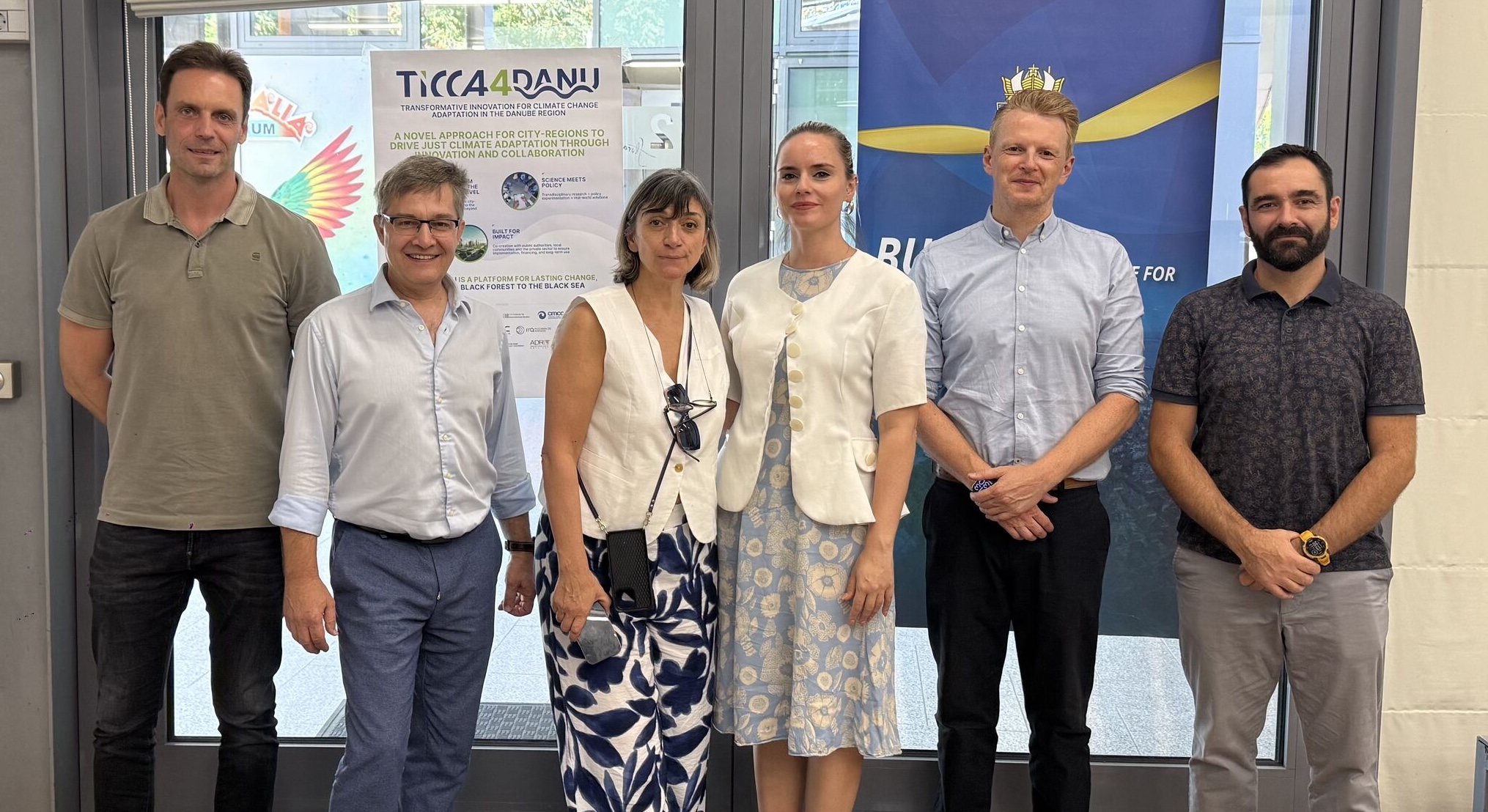
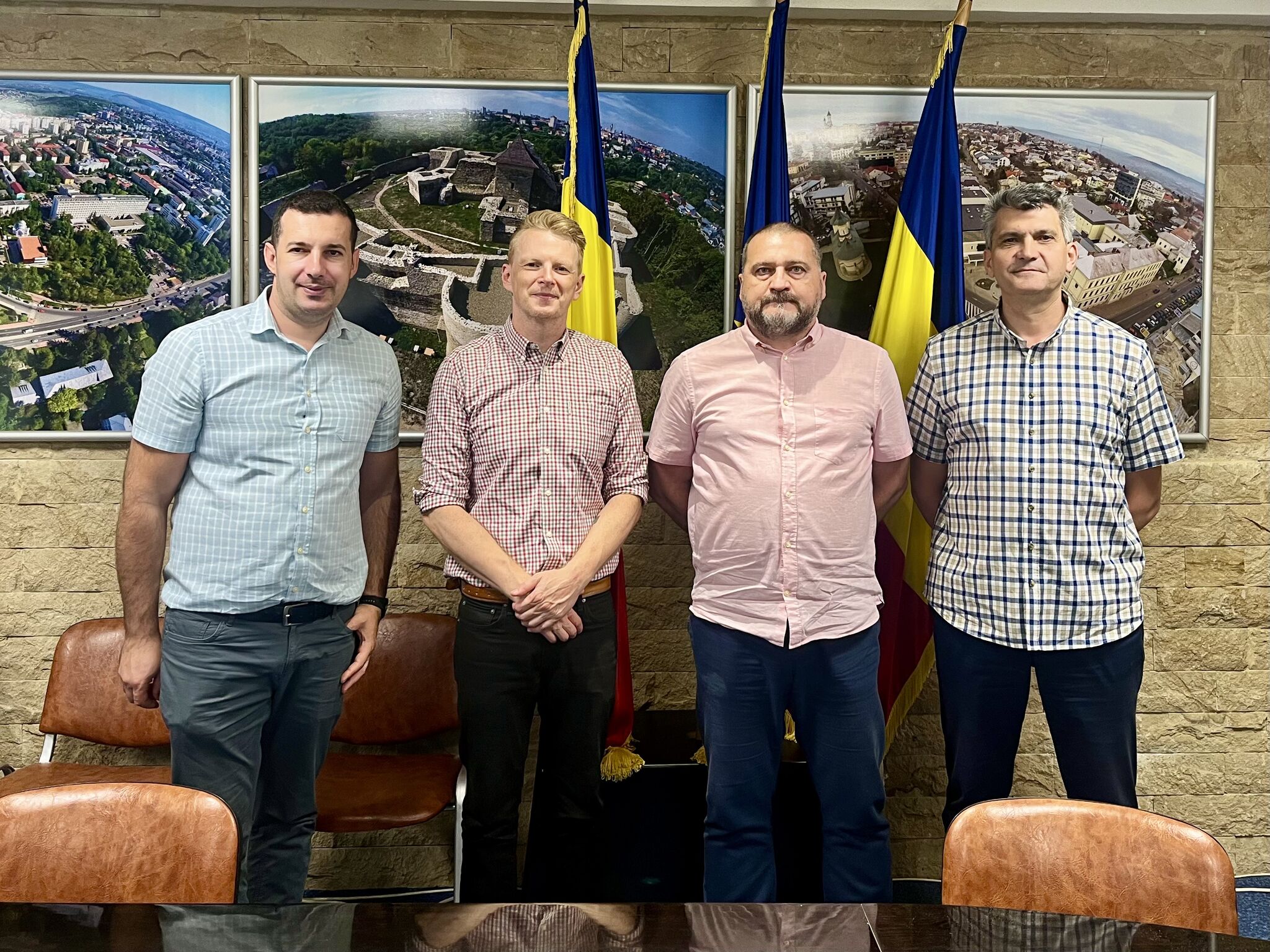
The final project conference brought together all partners of the STEP2CleanPlan consortium: Uzunköprü Municipality (Türkiye)🇹🇷, ANATOLIKI Organisation for Local Development (Thessaloniki, Greece)🇬🇷, Association Bionetwork (Varna, Bulgaria)🇧🇬, and the District Government Burgas (Bulgaria)🇧🇬. Representatives from the target municipalities of Kalamaria (Greece) and Byala (Bulgaria) also attended.
A key highlight of the event was the signing of a Memorandum of Cooperation, establishing a long-term partnership framework between the project partners and the two municipalities. The document promotes cooperation in European initiatives, the exchange of good practices, and support for sustainable energy and climate policies—strengthening regional collaboration across the Black Sea Basin.
Throughout the conference, partners showcased the project’s main results, including studies and plans focusing on sustainable mobility, energy efficiency, and sustainable waste management. ANATOLIKI S.A. presented a study on organic waste management in Kalamaria and an assessment of the municipality’s carbon footprint. Delegations from participating municipalities contributed practical insights on local implementation and cross-border exchange.
The conference highlighted the value of working across borders to develop climate adaptation and mitigation solutions tailored to the Black Sea region. The collective experience and the demonstrated commitment to long-term cooperation provide a strong basis for future joint initiatives.
The outcomes of STEP2CleanPlan resonate strongly with the mission of TiCCA4DANU, which aims to advance transformative climate adaptation through cross-border cooperation, stakeholder engagement, and the co-creation of knowledge across regions. Both initiatives emphasise the importance of regional partnerships, shared learning, and coordinated planning to build climate-resilient territories.
The collaborative spirit demonstrated in Burgas reflects the type of multi-level, transdisciplinary cooperation that TiCCA4DANU promotes across the Danube Macro-Region—showing how regional alliances and participatory approaches can accelerate climate adaptation and support sustainable development.


© STEP2CleanPlan