
© Foto Pigac_Si
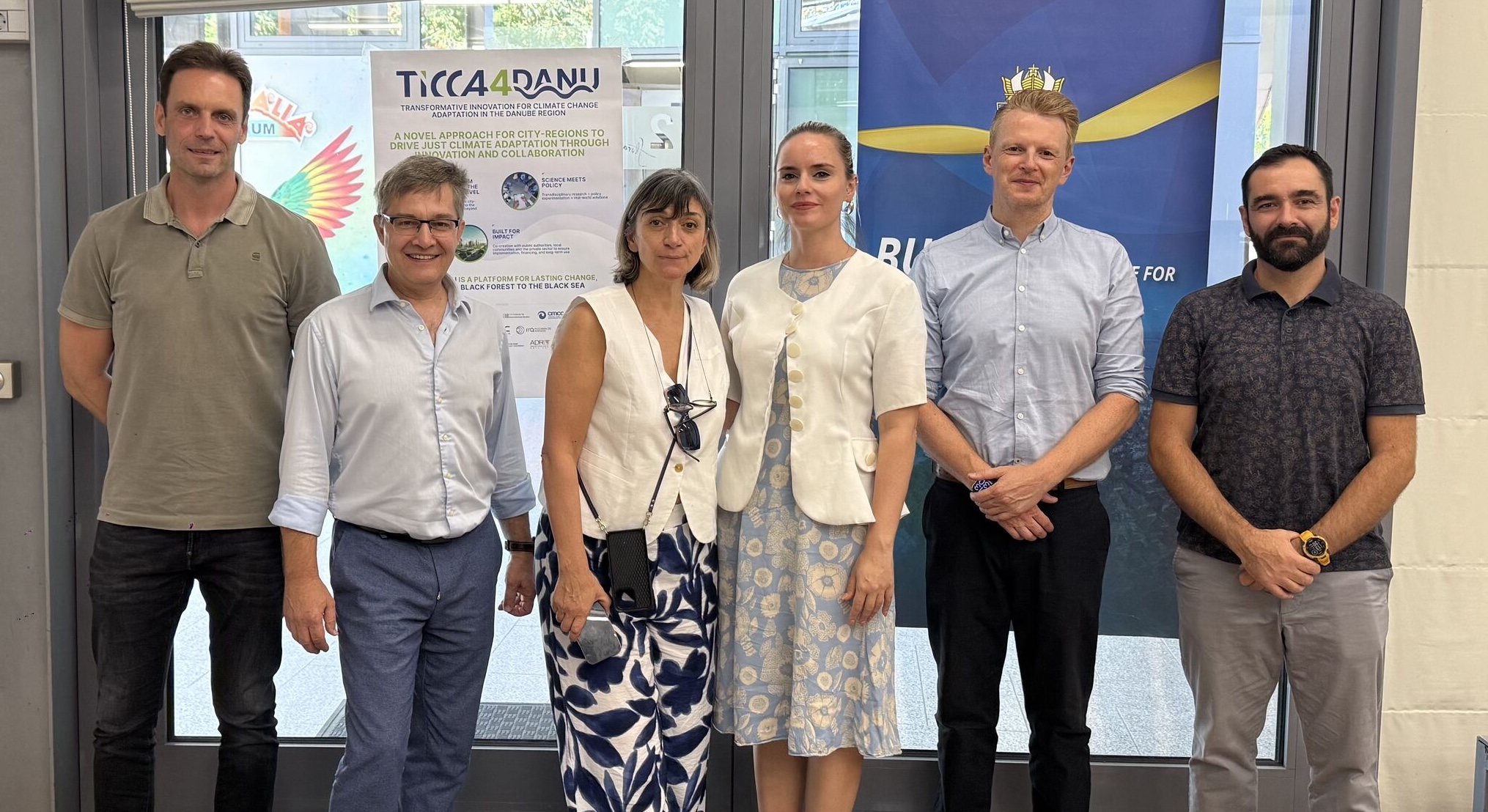
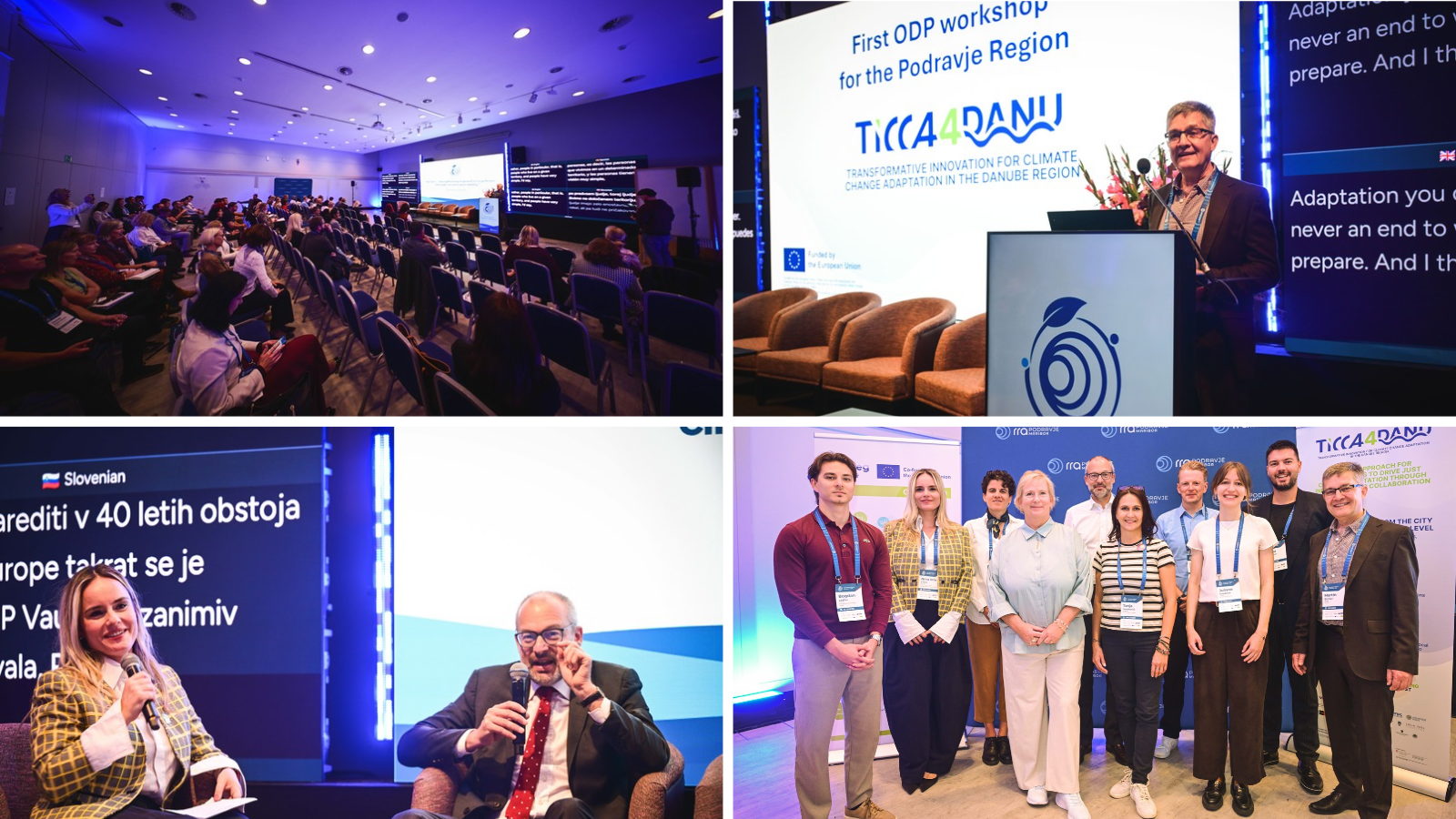
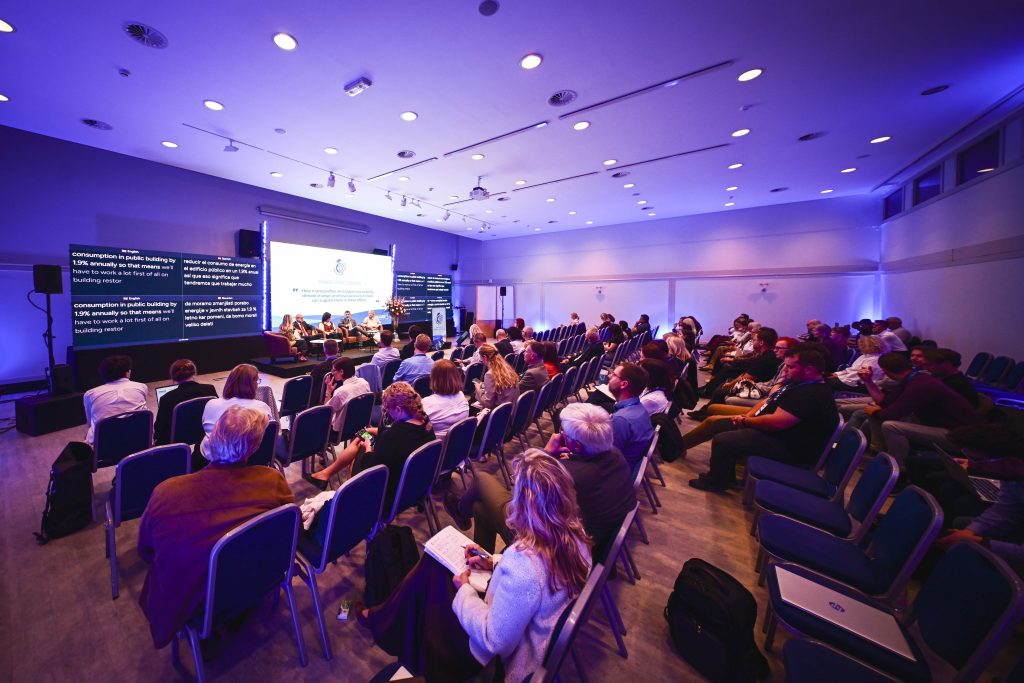
Turning a climate adaptation strategy into regional action means deciding which risks to tackle first, which measures to pursue and who needs to be involved. Those choices were at the centre of TiCCA4DANU’s first Open Discovery Process (ODP) workshops, held during the International Climate Conference “Climate Change Adaptation: From Strategies to Action” in Maribor on 7–8 October 2026. Organised by RRA Podravje – Maribor, the City of Maribor and ENERGAP, together with partners, the conference brought regions and municipalities into discussion with researchers, businesses and the European Commission.
© Foto Pigac_Si
A regional perspective on climate resilience
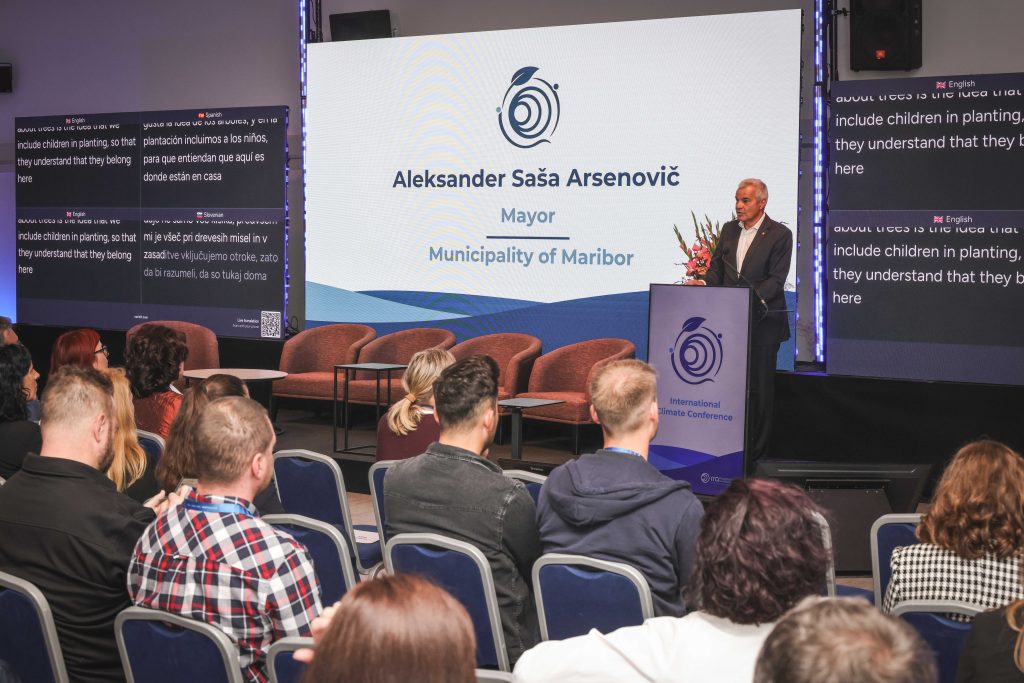
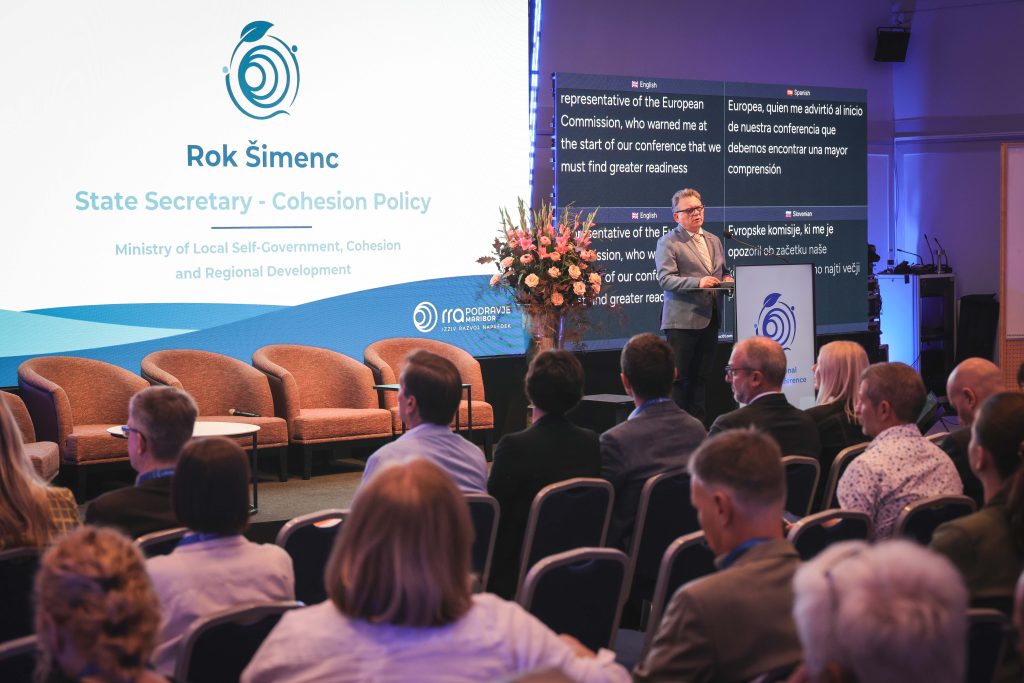
Europe’s vulnerability to climate change was a pressing theme from the outset. At the opening, Jan Dusík, Deputy Director-General at the European Commission’s Directorate-General for Climate Action (DG CLIMA), drew on the experience of the past summer to call for better regional preparedness and outlined the prospect of an integrated EU framework for climate resilience. Joining him in opening the conference were Aleksander Saša Arsenovič, Mayor of the City of Maribor, and Rok Šimenc, State Secretary.
© Foto Pigac_Si
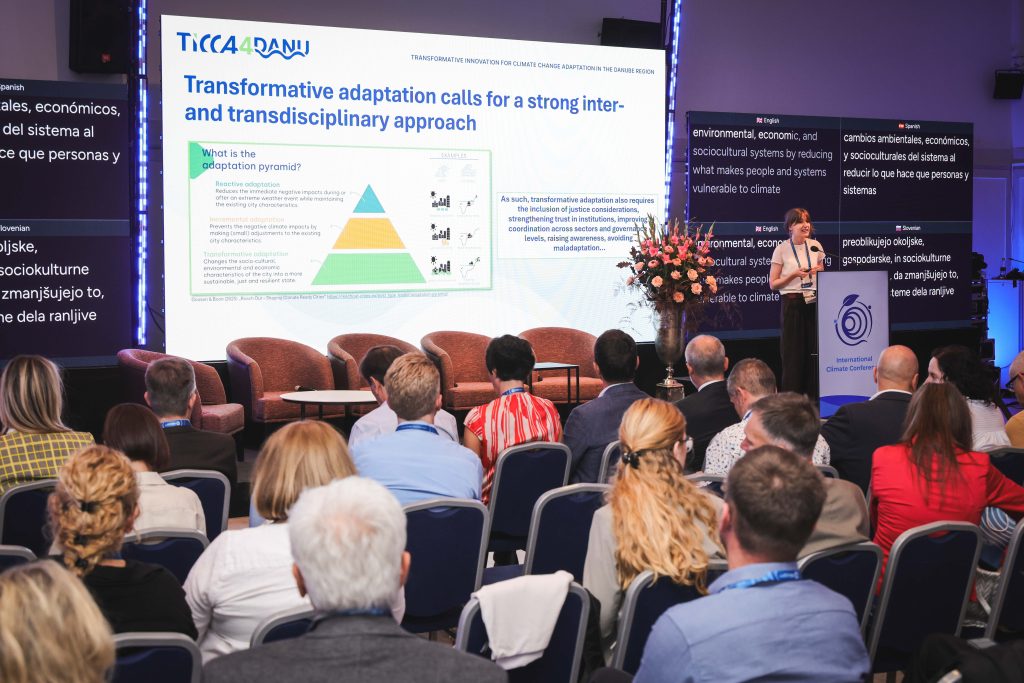
The relationship between wider adaptation strategies and regional needs ran through the keynote contributions. Prof. Dominique Foray (EPFL), Chair of the TiCCA4DANU Advisory Board, considered transformative adaptation and smart specialisation; Assoc. Prof. Naja Marot (University of Ljubljana) brought the discussion to Podravje’s position in Slovenia’s national climate vulnerability study.
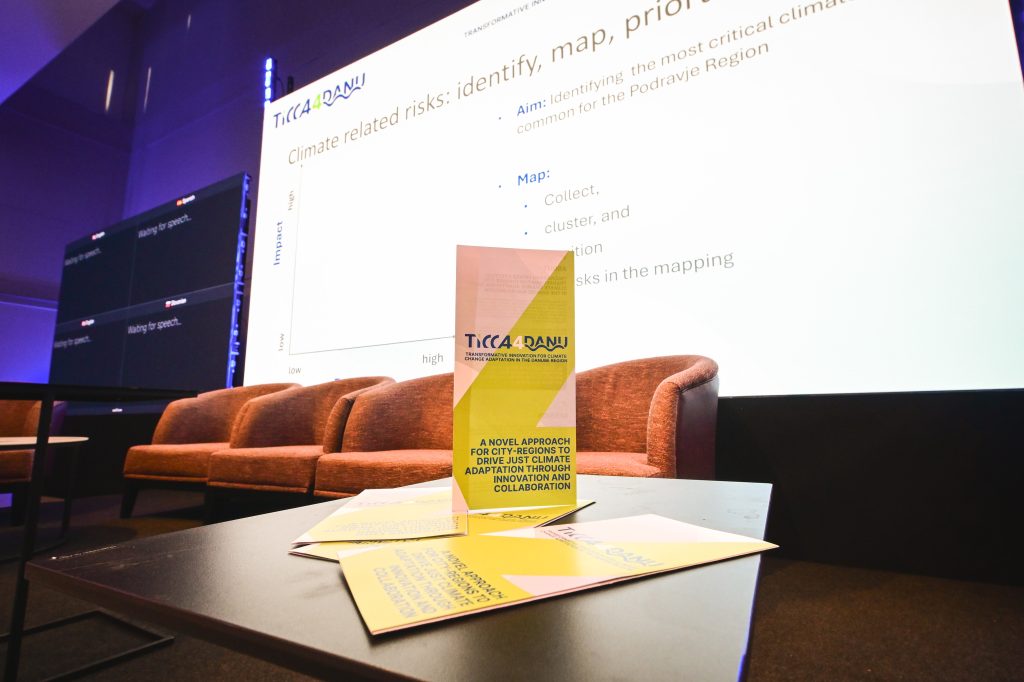
Podravje’s risks and adaptation options also formed the subject of a new TiCCA4DANU report, “Climate Change Risks and Adaptation in the Podravje Region”, launched at the conference by Juliane Friedrich (University of Vienna).
© Foto Pigac_Si
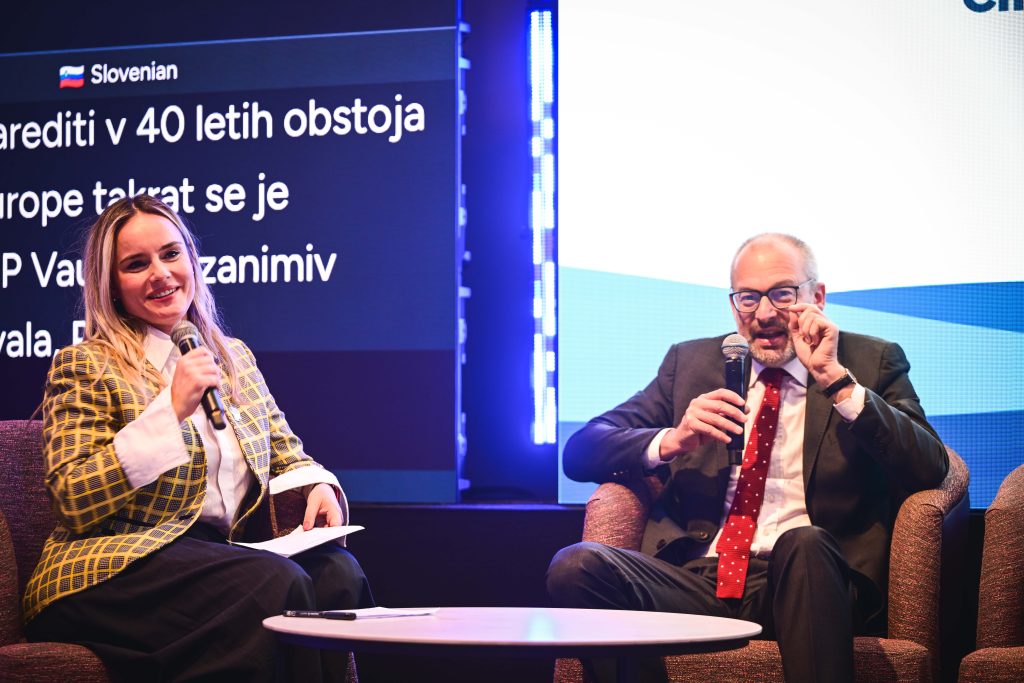
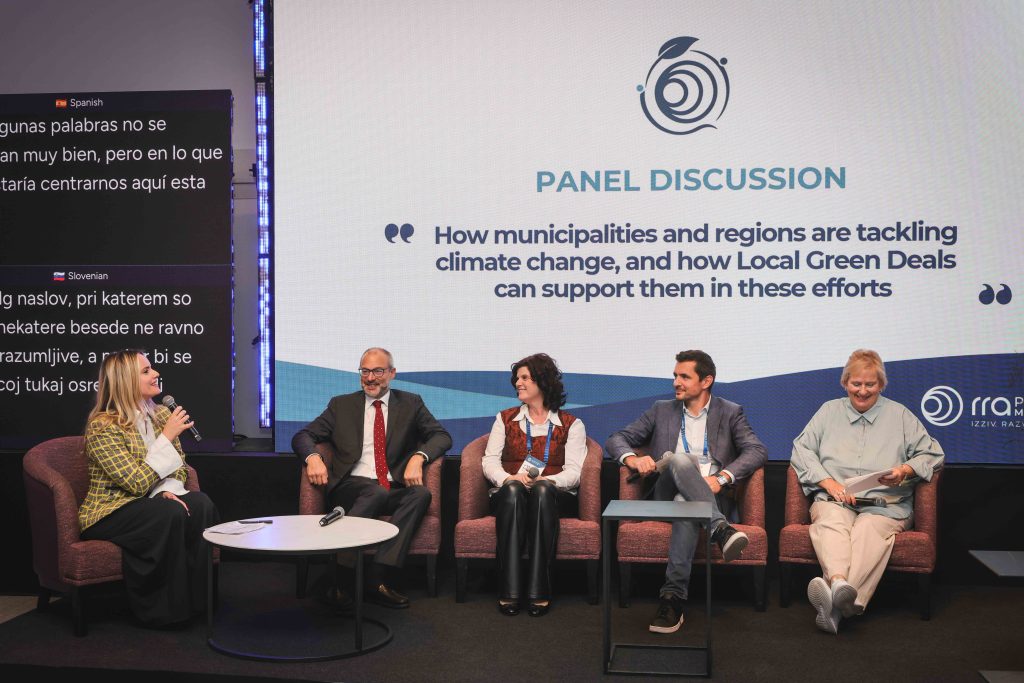
For municipalities and regions, the challenge is to give such strategies practical effect. A panel moderated by Nina Mia Čikeš (ICLEI) examined their role in tackling climate change and the support offered by Local Green Deals. The participation of Dr. Philippe Tulkens (European Commission, DG Research and Innovation) was a particular honor for our team and an opportunity to discuss the future of the EU Mission on Adaptation to Climate Change.
© Foto Pigac_Si
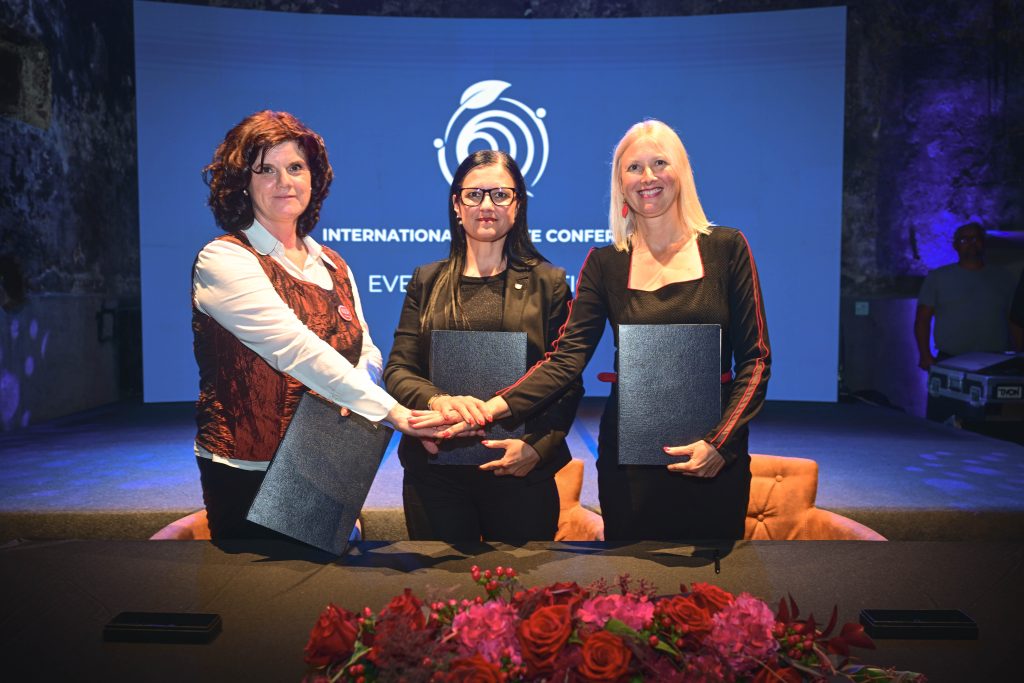
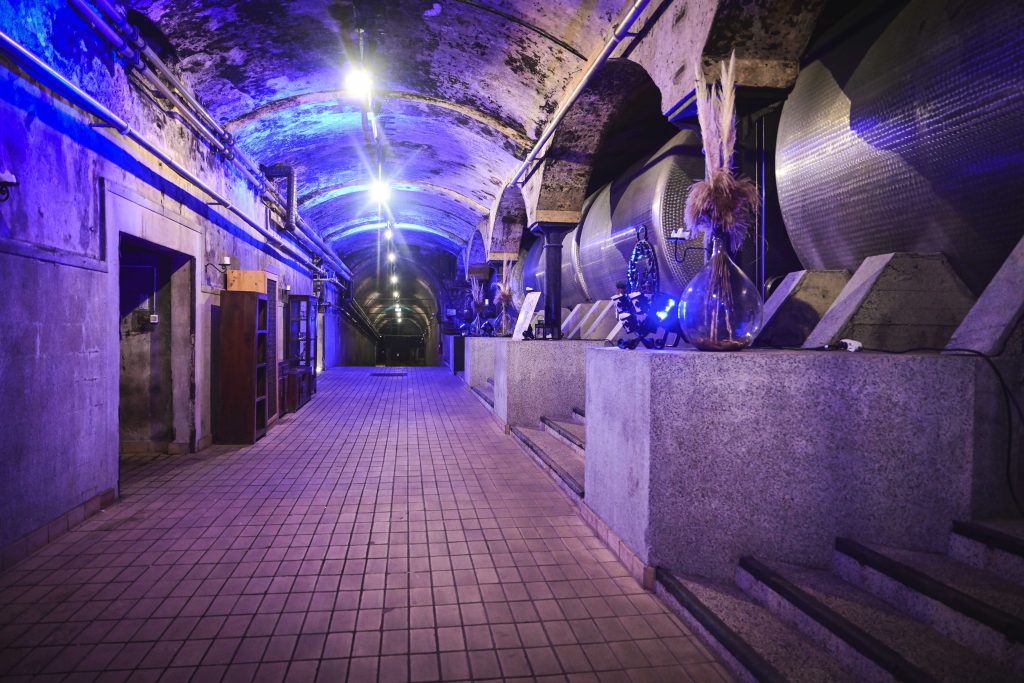
Maribor gave this discussion a concrete local expression by signing its Local Green Deal on the first day of the conference. Held in the oldest classical wine cellars in Europe, the ceremony marked a commitment that the city will now work to put it into practice, with continued support from our ICLEI colleagues and their experience of development and implementation of Local Green Deals across Europe.
© Foto Pigac_Si
Defining adaptation priorities for Podravje
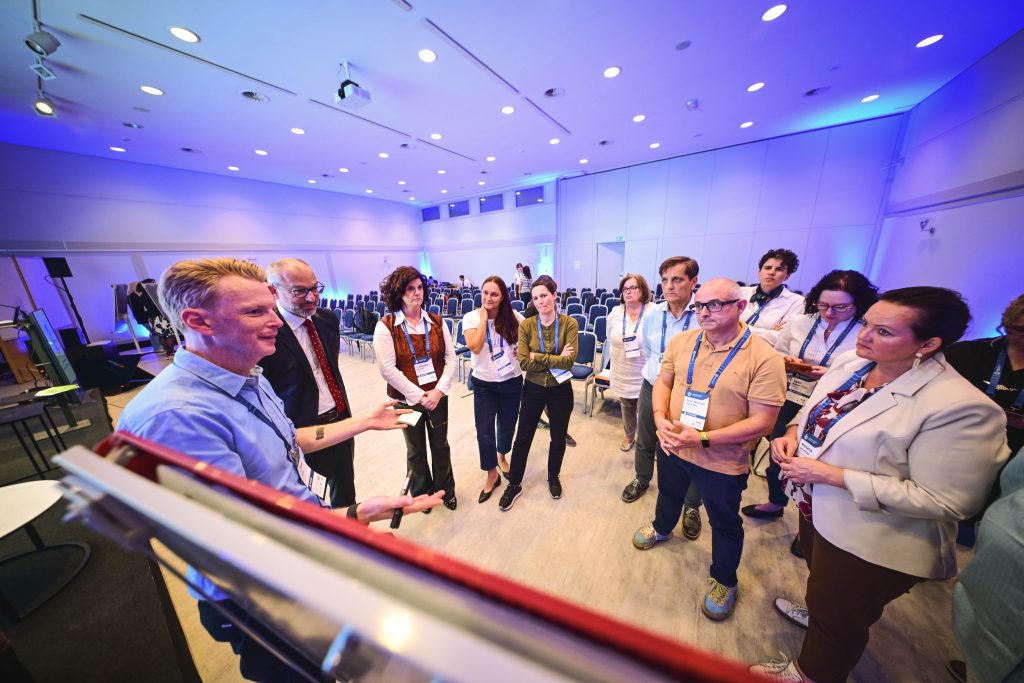
Within TiCCA4DANU, the Open Discovery Process gives local authorities, experts, businesses and civil society a shared role in defining regional adaptation needs and opportunities. The Maribor workshop opened the first of three ODP rounds in Podravje, with Martin Eichler (INFRAS), TiCCA4DANU Coordinator Dr. Oliver Ziegler (VDI/VDE-IT) and Miha Škrokov (Anteja ECG) moderating and facilitating the discussions.
The starting point was a shared assessment of risk. On the first day, participants mapped climate risks by impact and exposure at both local and regional level. Heatwaves, drought, floods and landslides took priority, alongside concerns about hail, wildfires, plant diseases, invasive species and biodiversity loss. From this assessment, the discussion moved to possible measures, ranging from incremental adjustments to transformative adaptation. The proposals covered three areas:
The range of proposals extended from physical interventions—green infrastructure, energy renovation of buildings, retention basins and irrigation systems—to better use of data and stronger regional coordination with real decision-making power.
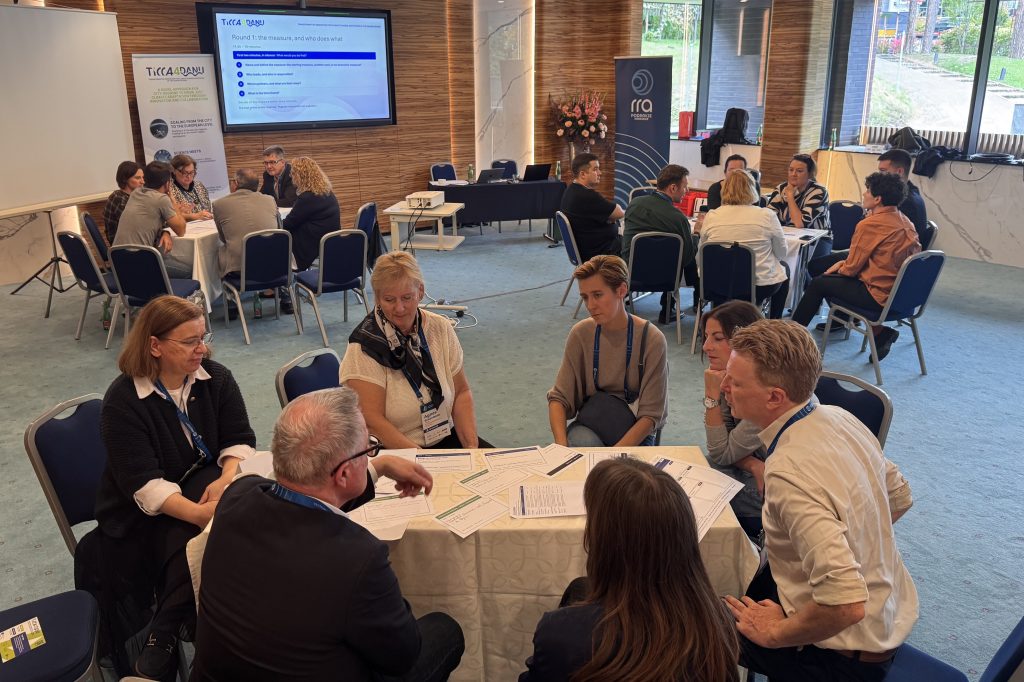
Business involvement brought a further set of practical questions. Opening the second day, Miha Škrokov reviewed innovative technological solutions against Podravje’s individual climate risks, considering how prices, funding and regulations shape private-sector participation. The subsequent World Café narrowed the work to three prioritised measures, for which participants jointly developed concrete roadmaps:
1) Green roofing on public and private buildings to address heatwaves;
2) Integrated water reservoirs to mitigate droughts; and
3) Improved spatial planning to coordinate measures against floods.
© Foto Pigac_Si
Developing regional actions
These roadmaps and the wider workshop findings will form the foundation for the next stage of the Open Discovery Process. The TiCCA4DANU team is now analysing the results ahead of a second workshop in Maribor in a few months, when the task will be to develop the findings into concrete regional actions.
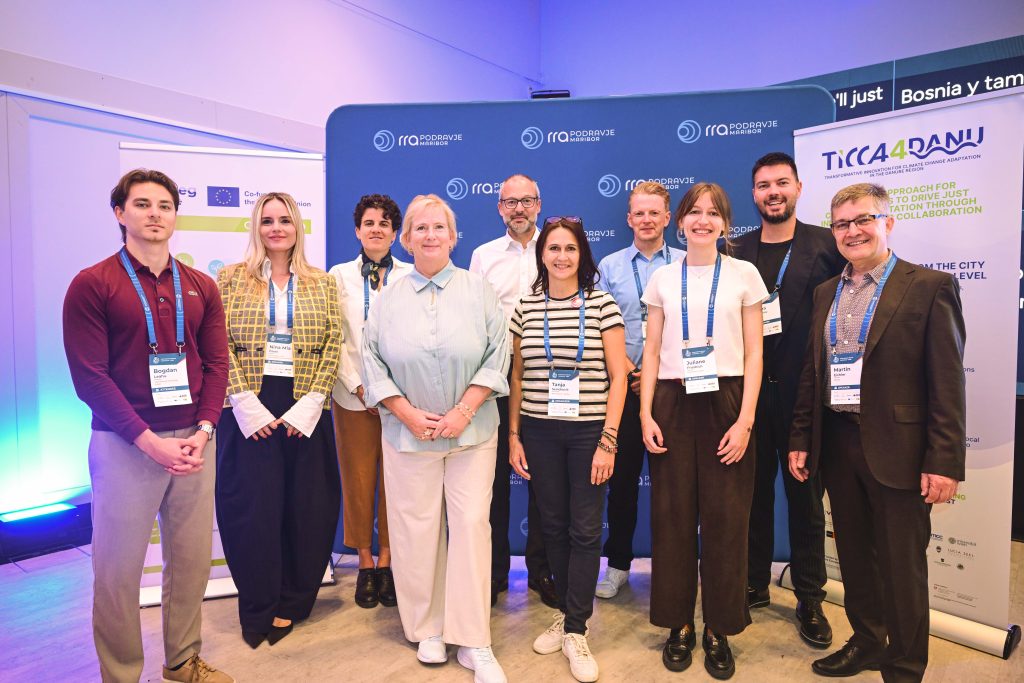
We thank RRA Podravje – Maribor, the City of Maribor, ENERGAP, ICLEI and all participants for their contributions. Special thanks go to Tanja Senekovič for her excellent organisation.
© Foto Pigac_Si