
© TiCCA4DANU
Climate adaptation is one of the most pressing challenges facing Europe’s cities and regions today. As the impacts of climate change become increasingly visible from floods and droughts to heatwaves and ecosystem stress, there is a growing need for strategies that are not only ambitious, but also rooted in regional realities and capacities.
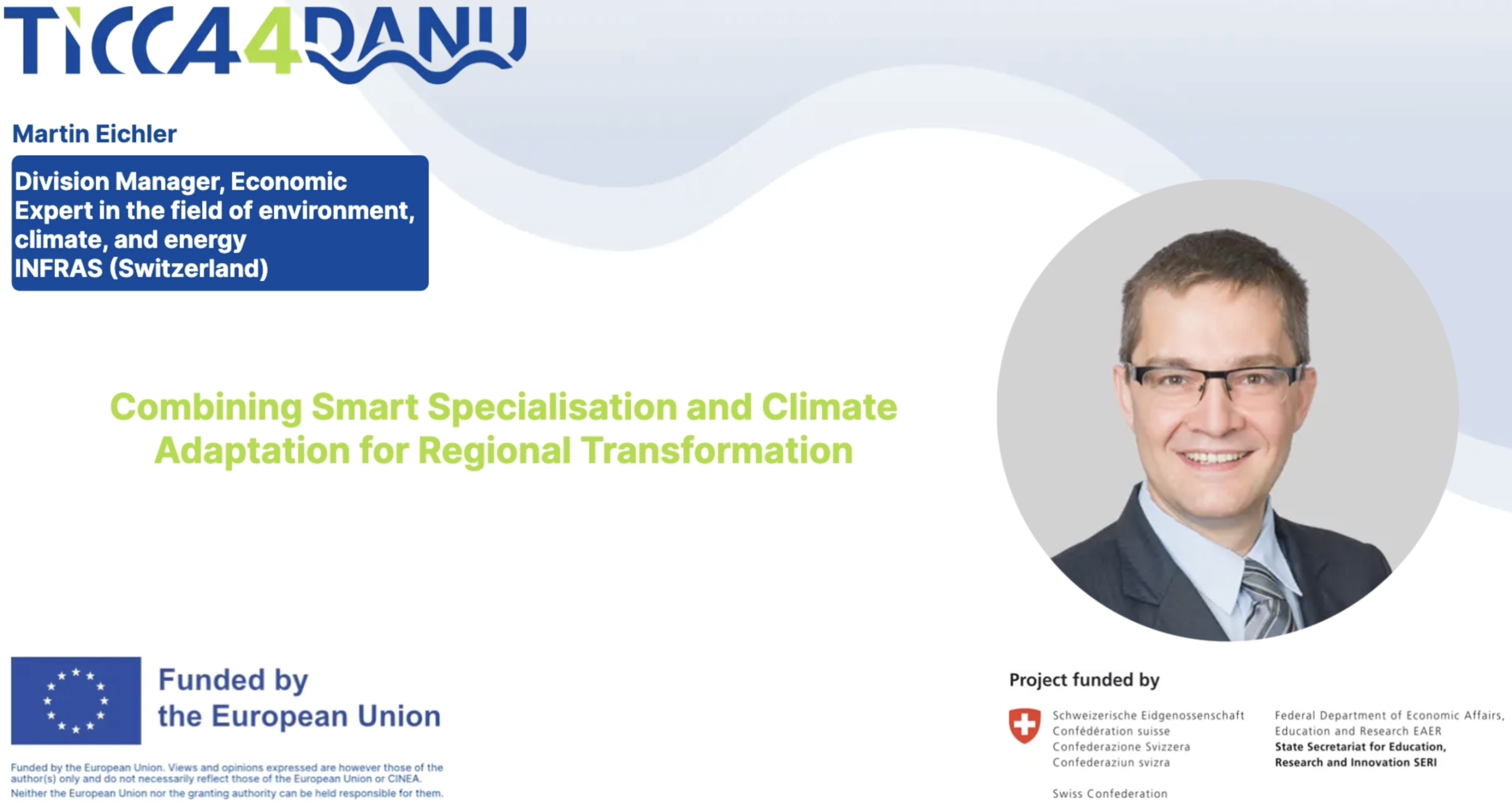
In a new TiCCA4DANU video interview, Martin Eichler, Division Manager and economic expert in the field of environment, climate, and energy at INFRAS (Switzerland🇨🇭), shares valuable insights on how smart specialisation can help regions design and implement more effective climate adaptation strategies.
As Martin Eichler explains, smart specialisation is an innovation policy approach that helps regions develop their economies, strengthen competitiveness, and support structural change. While originally developed in the context of regional innovation and economic transformation, its methodology also offers strong potential for climate adaptation.
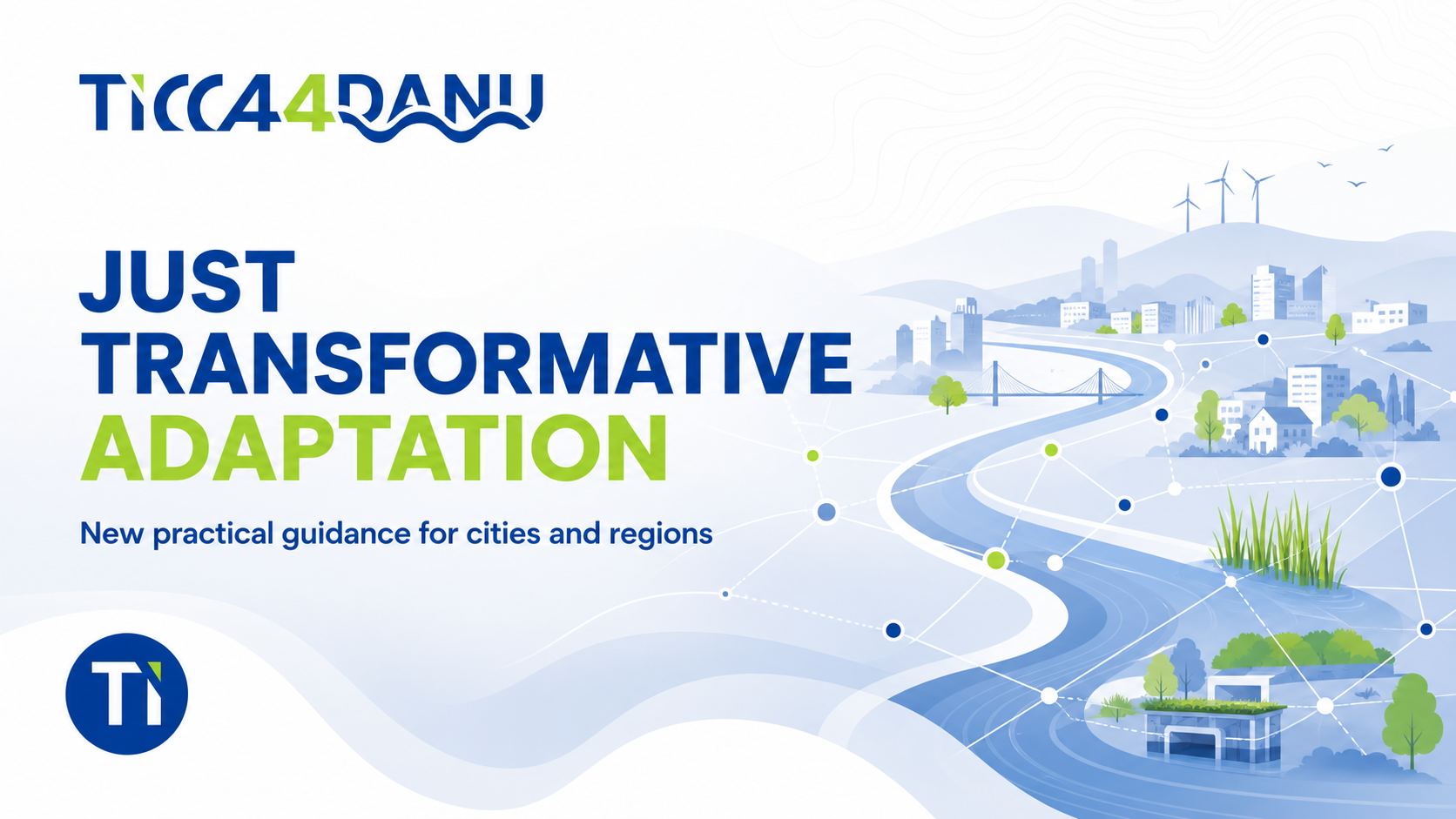
This is because adaptation requires more than isolated technical measures. It often calls for broader transformation across regional economies and societies. By combining climate adaptation efforts with the place-based logic of smart specialisation, regions can build strategies that reflect their own specific challenges, strengths, and development pathways.
A central idea highlighted in the interview is that there is no one-size-fits-all solution to climate adaptation. Each region faces different risks, has different capacities, and can build on different local resources.
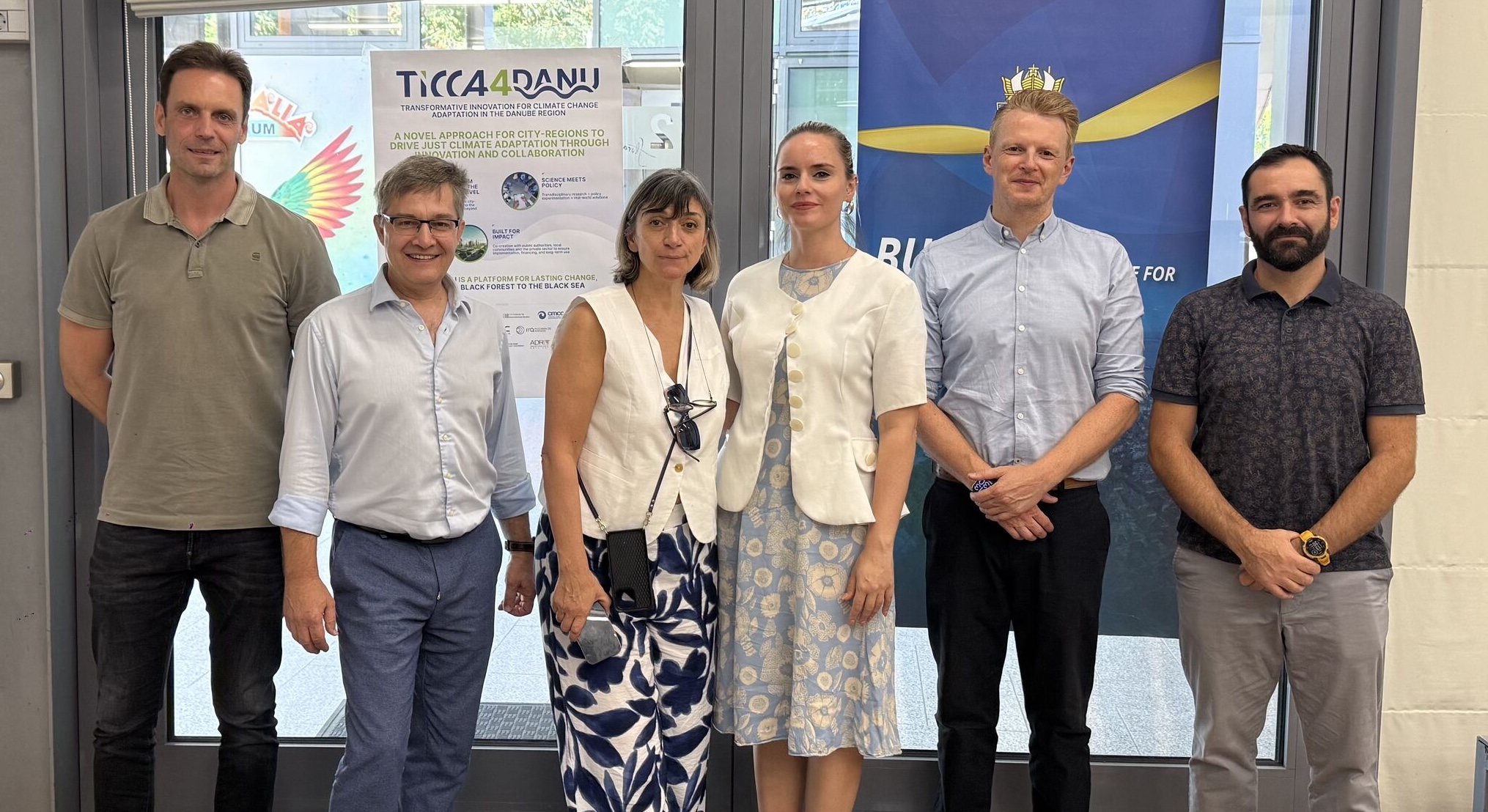
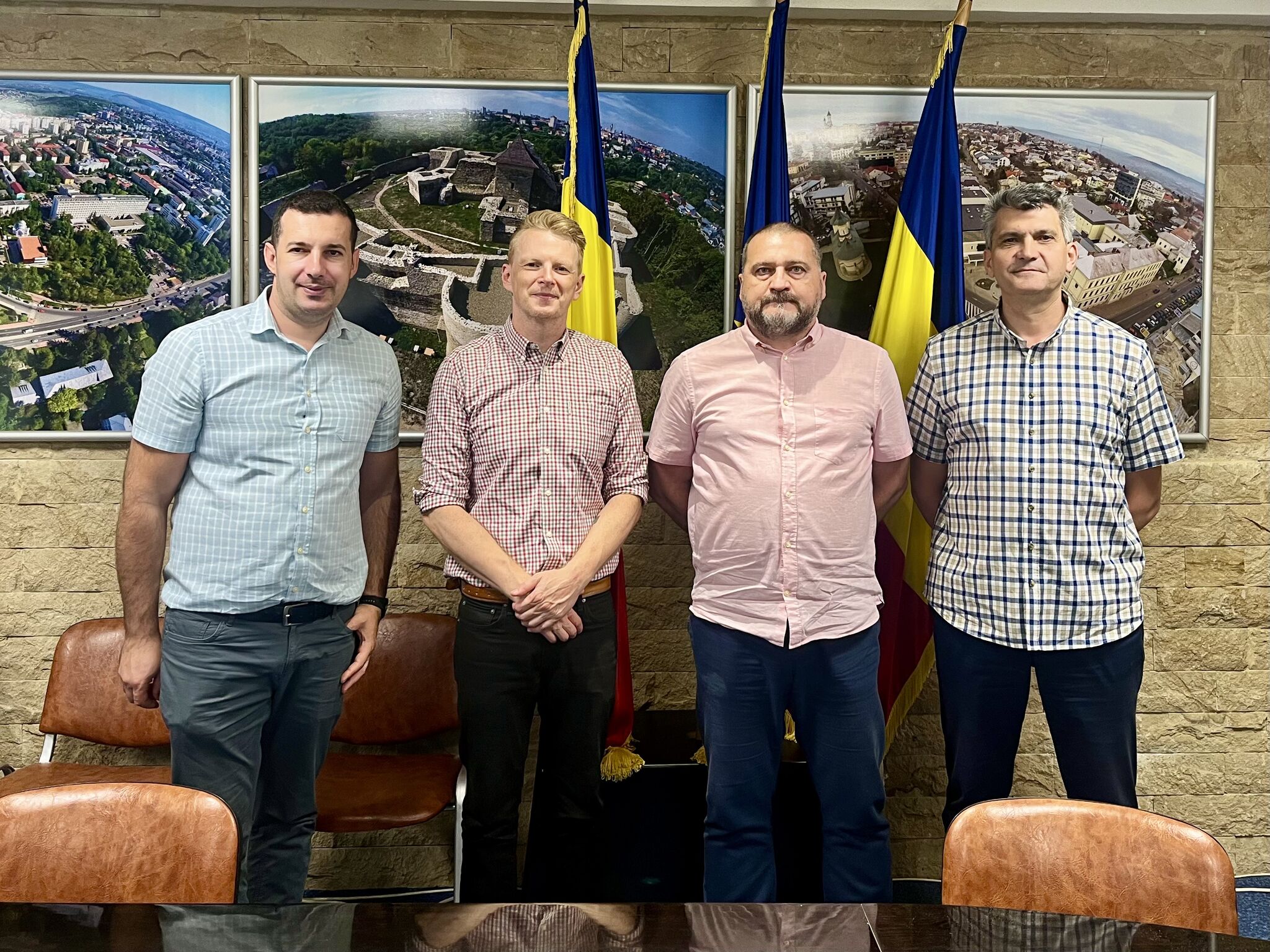
Within TiCCA4DANU, this thinking is being applied in close cooperation with four cities and their surrounding regions. The goal is to work together to identify practical and region-specific solutions that address local climate challenges while also supporting wider economic and societal transformation.
Rather than imposing solutions from the outside, the project focuses on developing strategies that are realistic, implementable, and grounded in local conditions.
A key element in this work is the Open Discovery Process, which brings together regional stakeholders from different fields to share knowledge, perspectives, and ideas. This collaborative approach helps ensure that adaptation strategies are not only technically sound, but also aligned with local priorities and capacities.
As Martin Eichler notes, even the best external plan will not lead to change if there are no local conditions or capacities to put it into practice. This is why working closely with regional actors is essential. Through workshops, dialogue, and joint reflection, TiCCA4DANU supports the co-creation of adaptation pathways that regions can truly own and implement.
The four pilot city-regions involved in TiCCA4DANU reflect different types of climate adaptation challenges across the Danube macro-region. At the same time, the lessons emerging from this work are expected to have relevance far beyond these pilot areas.
By exploring how smart specialisation methodologies can be combined with climate adaptation policy, TiCCA4DANU contributes to broader discussions on transformative, place-based approaches to resilience in Europe. The knowledge generated through this process may help other regions adapt and apply similar approaches in their own contexts.
The full interview with Martin Eichler is available on the TiCCA4DANU YouTube channel: