
From European Ambition to Local Action: TiCCA4DANU Partners Discuss Climate Resilience in Sofia
© TiCCA4DANU
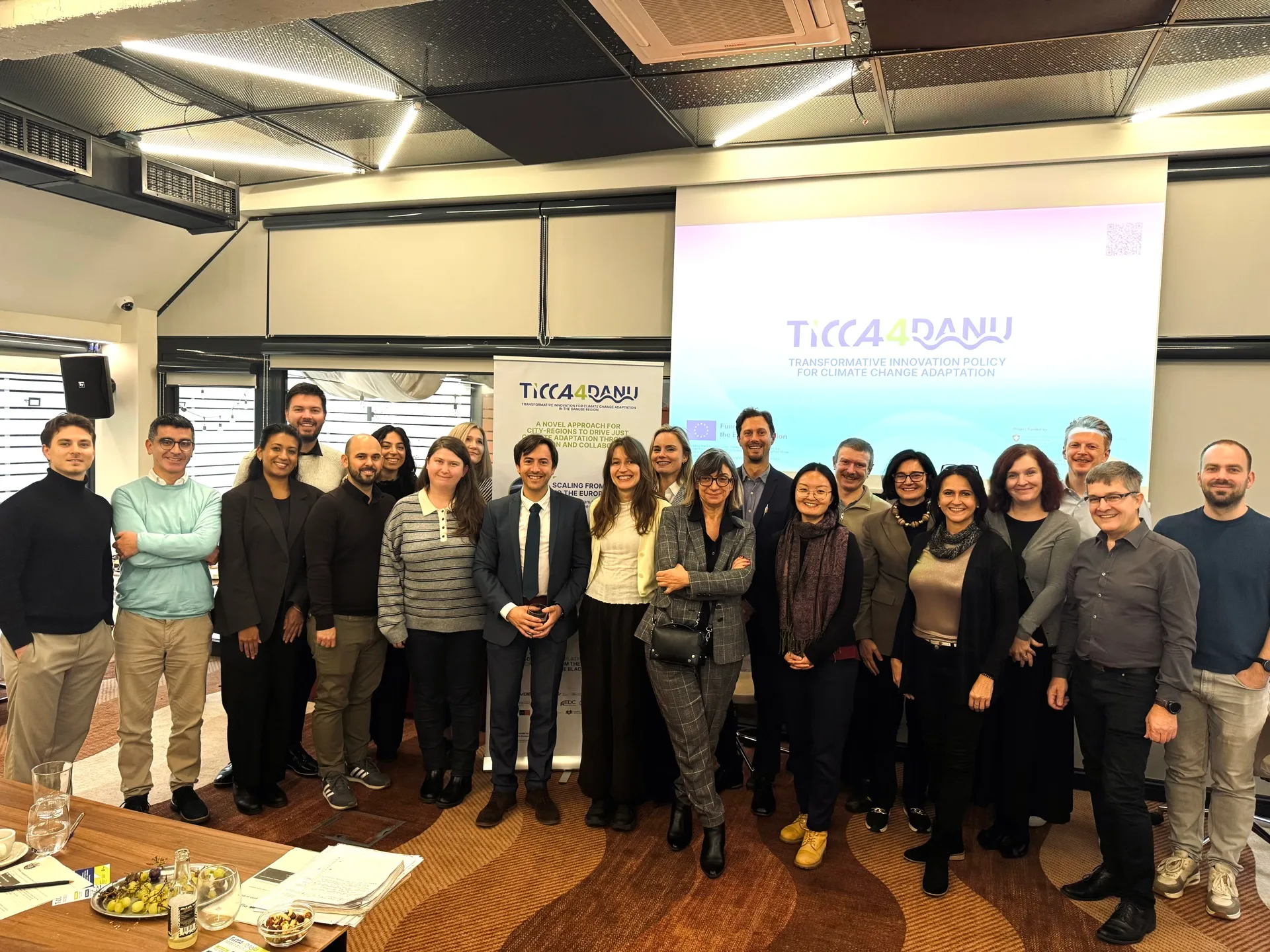
How can Europe's new Climate Resilience Framework help cities and regions become better prepared for climate change? And how can local ambitions be translated into concrete, financially viable actions? These questions took centre stage at our second General Assembly, held on 2 November 2026 in Sofia, Bulgaria.
The meeting brought together project partners, representatives from participating cities and regions, and external experts to reflect on progress after approximately one and a half years of collaboration, exchange experiences and prepare for the next crucial phase: implementing Local and Regional Green Deals (LGDs and RGDs).
A New European Framework for Climate Resilience – What Does It Mean for Cities and Regions?
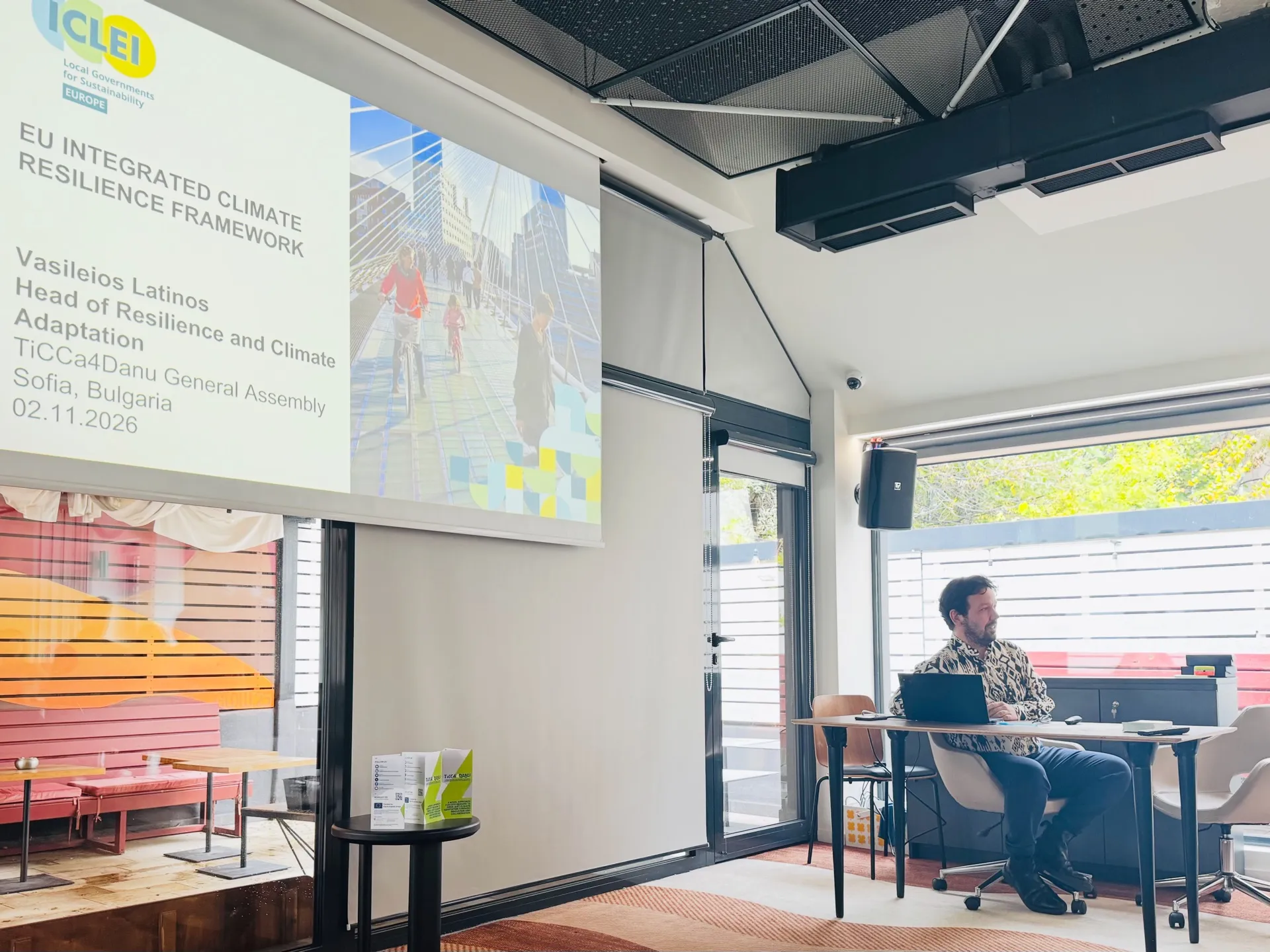
Just days after the European Commission presented its new EU Framework for Climate Resilience on 27 October 2026, Vasileios Latinos, Head of Resilience and Climate Adaptation at ICLEI Europe, opened the Assembly's thematic discussions with a keynote on its implications for local and regional authorities.
The new framework combines a policy communication with a proposal for a European Climate Resilience Law. It aims to strengthen Europe's ability to anticipate, prepare for and manage growing climate risks through more systematic risk assessments, clearer responsibilities, improved coordination and better integration of climate resilience into public decision-making. Importantly, the proposed legislation explicitly recognises the role of cities and regions. It foresees their early involvement in national climate resilience planning and the possibility of assigning responsibilities for managing specific climate risks to subnational authorities.
© TiCCA4DANU
However, recognising local responsibilities is only part of the equation. Cities and regions also need the resources, capacities and decision-making powers to fulfil them.
As highlighted by Vasileios, the framework represents an important opportunity to strengthen multilevel governance and connect European and national policies with local realities. Yet important questions remain, particularly concerning long-term funding, technical support and the institutional capacity of local governments.
© TiCCA4DANU
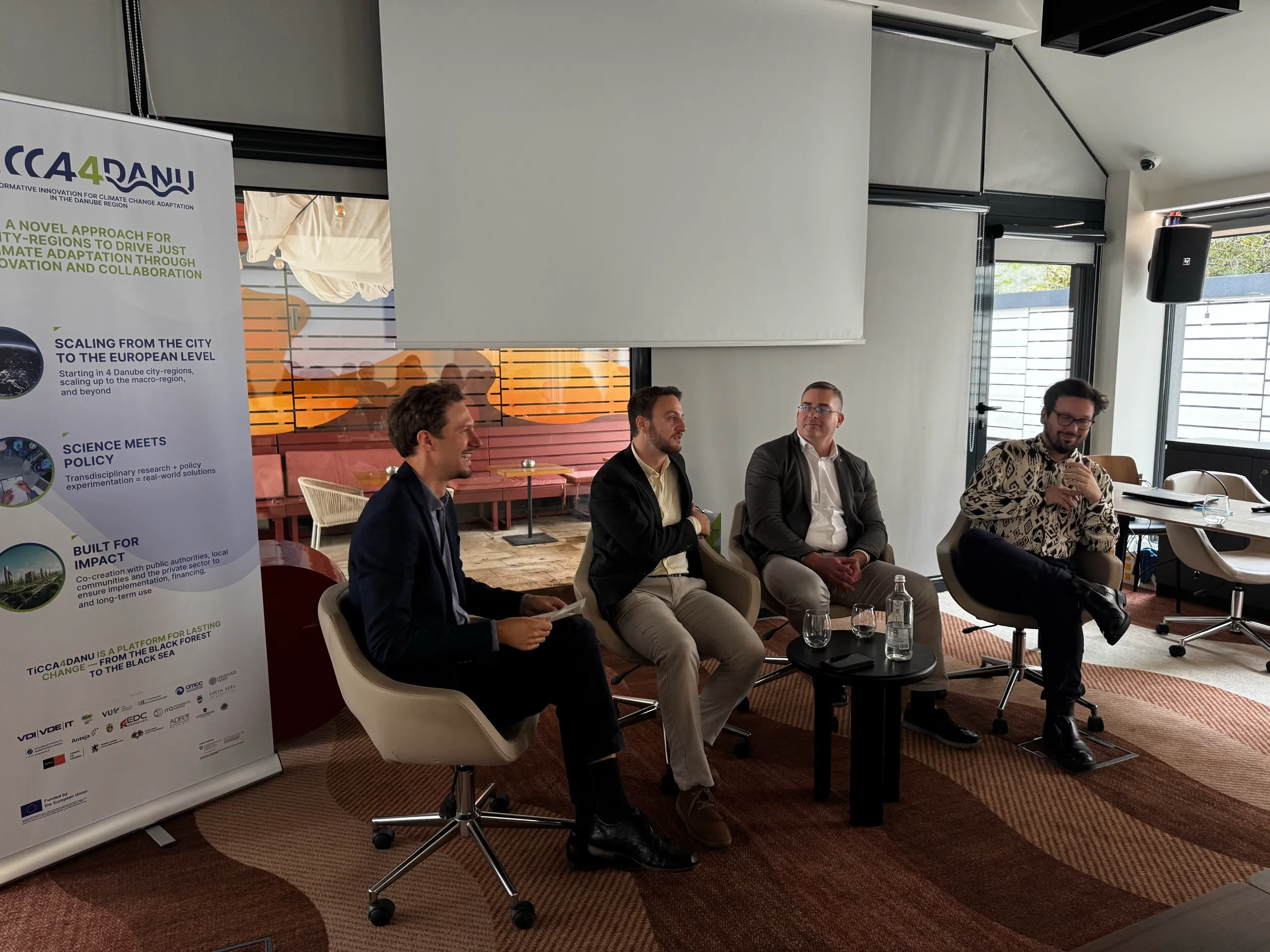
These issues were further explored in a fireside chat featuring Vasileios Latinos, Ivan Paspaldzhiev from EY denkstatt Bulgaria and representing the Mission Implementation Platform (MIP4Adapt) and Dragomir Tsanev from the Bulgarian Center for Energy Efficiency EnEffect, the National Adaptation Hub in Bulgaria, moderated by Niklas Mischkowski from ICLEI Europe.
Taking a Bulgarian and Central and Eastern European perspective, the discussion addressed climate adaptation awareness among businesses and public authorities, institutional capacities, financing challenges and the need to bring climate resilience closer to local decision-makers. Especially regarding the next EU Multiannual Financial Framework (MFF) the need to earmark budget for local governments’ climate action – both for mitigation and adaptation – was stressed. The Danube region’s public sector is dependent on these EU funds more than other regions, and a discontinuation of regional funds earmarked for climate action risks weakening the much-needed action for it.
From Planning to Implementation: Tackling Real-World Challenges
Beyond the European policy perspective, the Assembly focused on the progress of TiCCA4DANU's participating cities and regions and their preparations for implementing transformative climate adaptation solutions.
One important topic was how to make climate adaptation projects financially sustainable.
In a session led by Anteja ECG, partners explored business models and investment opportunities for their Local and Regional Green Deals. Examples from Debrecen, Maribor and Burgas illustrated how adaptation measures may require different financing approaches, ranging from public funding to blended models and private-sector investment.
The central message: developing a promising adaptation solution is not enough. Successful implementation also requires clarity about costs, responsibilities, risks and who will ultimately pay.
Learning from Each Other: The Implementation Café and Market of Know-How
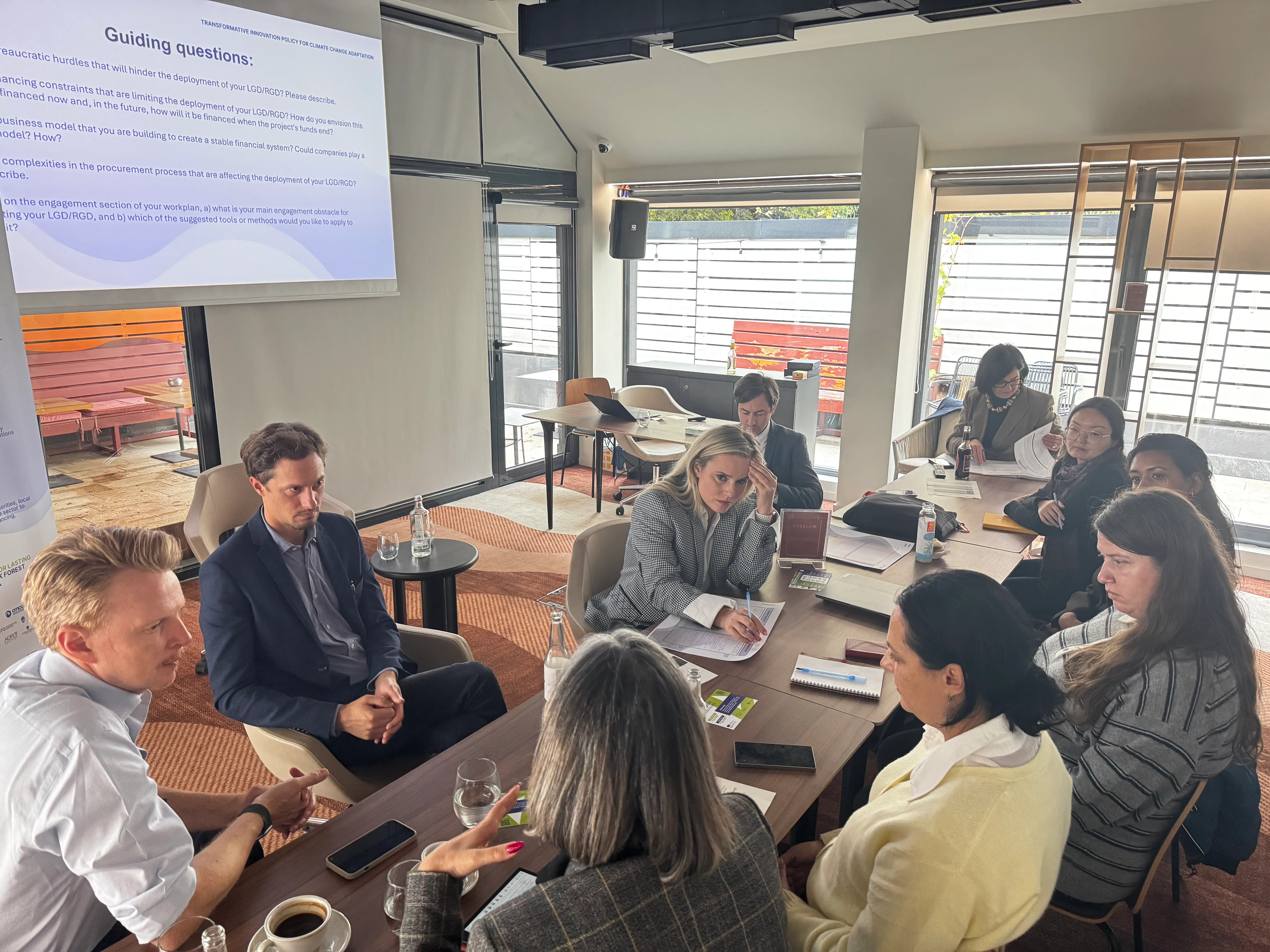
Two interactive mentoring and coaching sessions, facilitated by ICLEI Europe, CMCC and Anteja, provided space for partners to work on their concrete implementation challenges.
During the Local and Regional Green Deals Implementation Café, city and regional representatives examined potential obstacles to putting their planned actions into practice. Working with experts and peers, they explored three interconnected dimensions:
- Governance and implementation: overcoming administrative barriers, clarifying mandates and responsibilities, and improving decision-making processes.
- Stakeholder engagement: involving citizens, businesses and other relevant actors to build support for local climate adaptation measures.
- Financing and business models: identifying realistic funding opportunities and ensuring the financial sustainability of solutions beyond the project's lifetime.
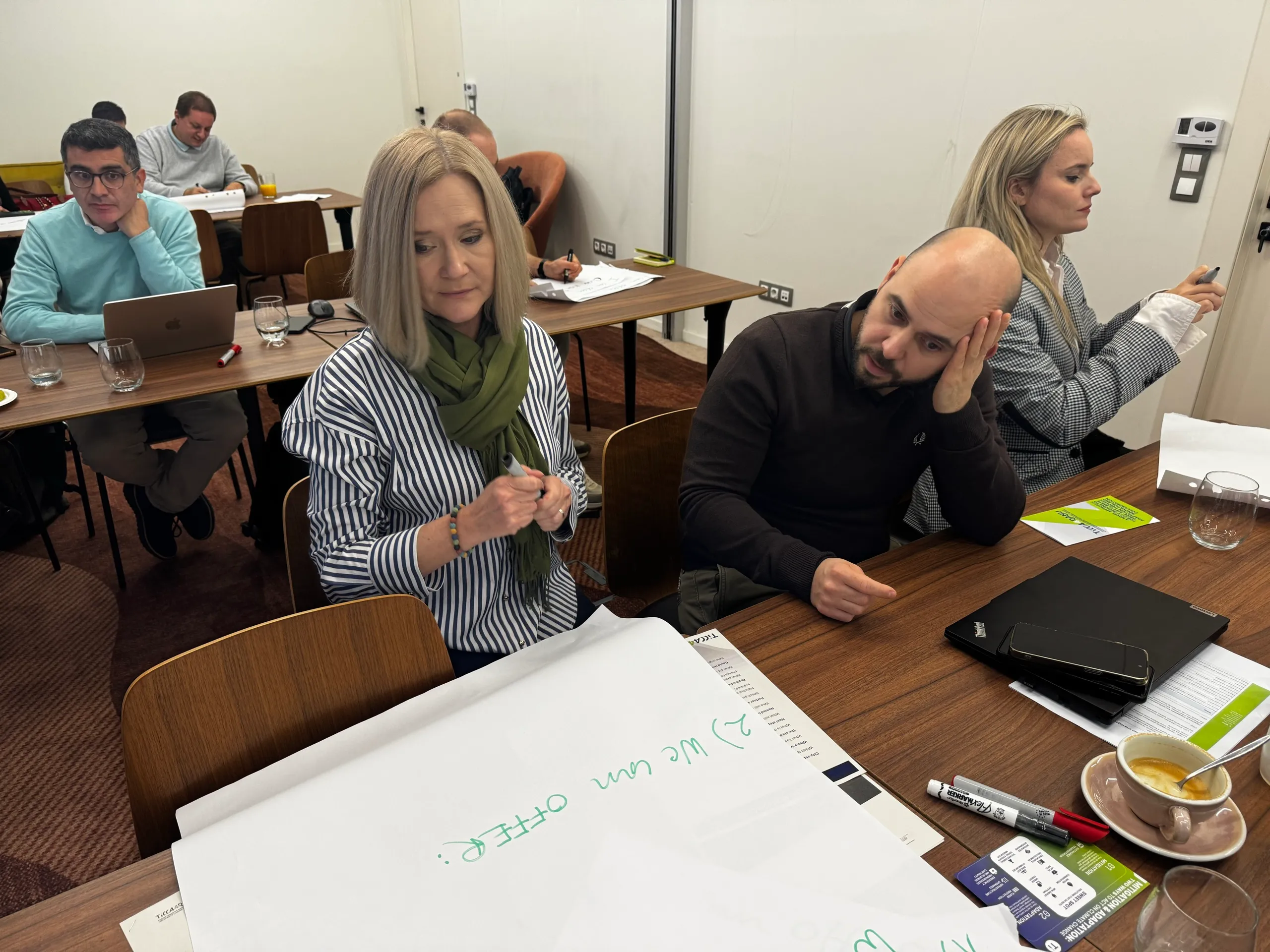
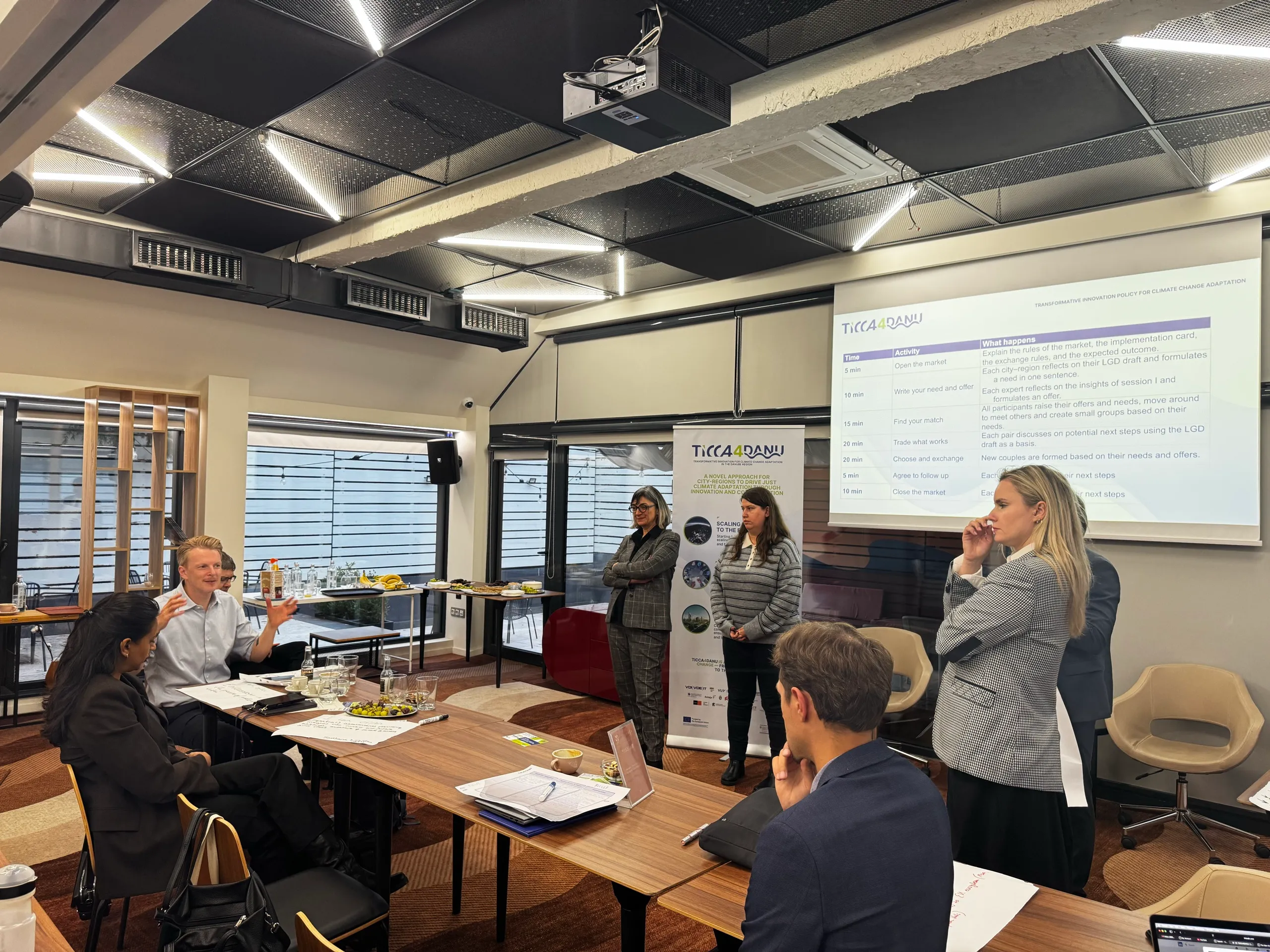
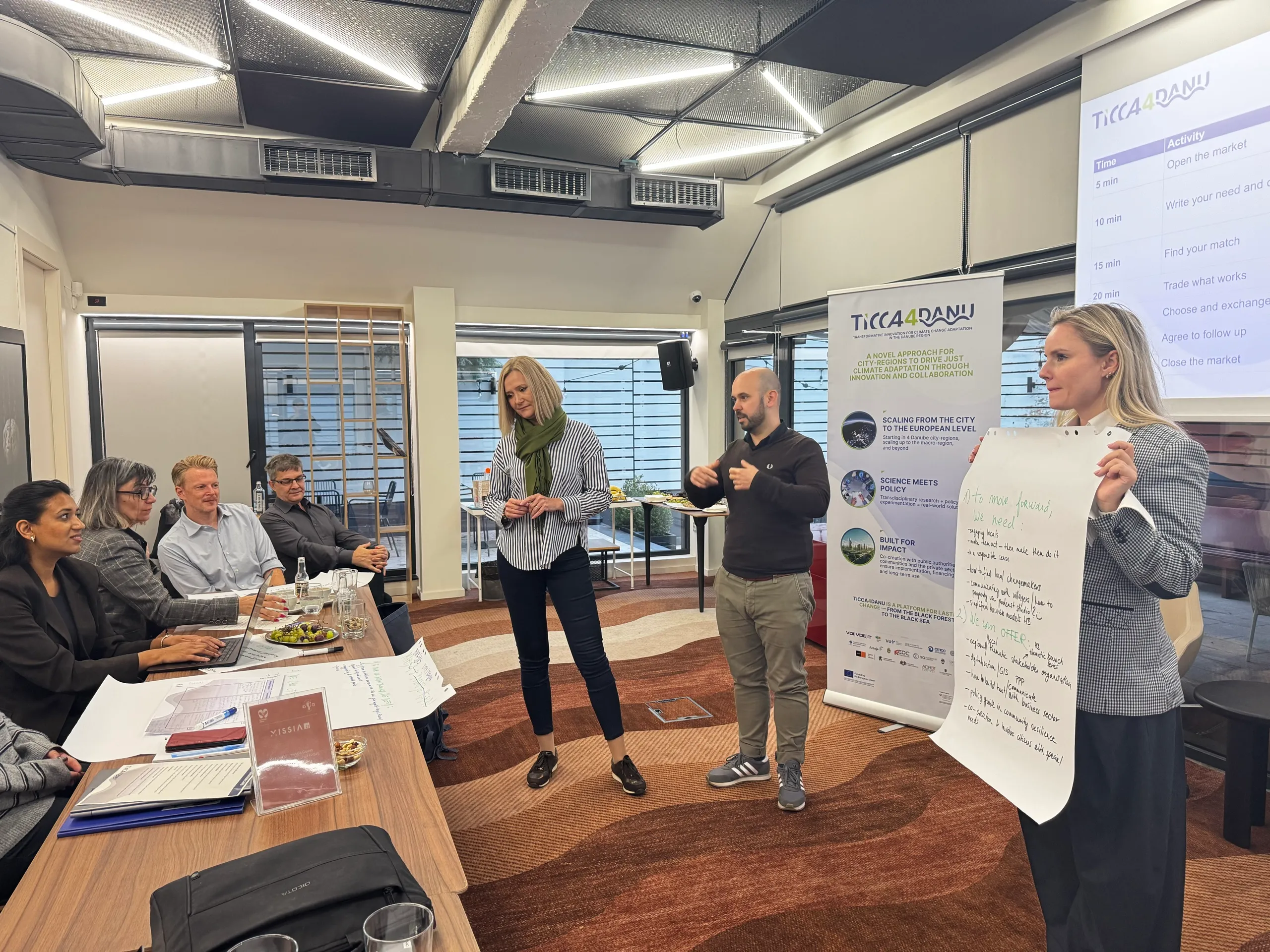
The subsequent Market of Know-How shifted the focus from identifying problems to finding practical support. Partners exchanged needs, expertise, experiences and contacts, exploring how solutions developed in one city or region could be adapted elsewhere.
The sessions were designed to help city-region teams translate the discussions into concrete next steps, identify potential collaborators and further refine their Green Deal implementation plans.
© TiCCA4DANU
Turning Climate Adaptation into Action Across the Danube Region
The Sofia General Assembly highlighted the strong connection between the emerging European policy framework and TiCCA4DANU's work on the ground.
While the EU is seeking to establish a more coordinated approach to climate resilience, TiCCA4DANU is already exploring how multilevel governance, stakeholder collaboration, innovative financing and peer learning can help cities and regions turn adaptation ambitions into concrete measures.
As the project moves further towards implementation, the insights and partnerships developed in Sofia will help guide the next steps.